
In Spain, tourism is experiencing a digital acceleration : data spaces, smart destination platforms, advanced analytics, sensors, experience apps… But the challenge isn’t simply “having the technology,” but rather putting it into operation, at scale, and with sustained value. This transition depends, above all, on project management: clear governance, success criteria, risk management, user adoption, and an operational model.
This is not a generic opinion: the reference sector documents have been highlighting it, from the SEGITTUR Smart Tourist Destinations (DTI) model itself to initiatives such as the Smart Destinations Platform (PID).
Why Spanish tourism needs “Project Management” with a tourism-related qualifier
The Smart Tourism Destination (STD) model places governance at its core, alongside innovation, technology, sustainability, and accessibility . Its implementation requires coordinating all areas of the destination and all stakeholders—public and private—with methodologies, responsibilities, and processes that function effectively in both peak and off-peak seasons. It’s not just about IT: it’s about comprehensive project management applied to the entire tourism ecosystem .
Furthermore, the specific UNE standardization for DTI provides a common language and standards that facilitate interoperability, evaluation, and continuous improvement. Standardization is a project decision, not (only) a technical one.
The strategic relevance is unquestionable: the WTTC estimates that tourism’s contribution to Spain’s GDP reached 248.7 billion euros (15.6% of GDP) in 2024, with upward forecasts for 2025. Projects that scale and operate well are not a detail: they are national competitiveness.
Sectoral evidence: where we are and where we are going
SEGITTUR places the average level of digitalization among micro and small tourism businesses at 47.6%, highlighting real opportunities (and limitations) for adopting and operating digital solutions. This is a starting point, not the goal.
The tourism data spaces documented by SEGITTUR and TURIUM illustrate the governance and interoperability challenges for data to bring value to destinations and businesses – an area where project and change management is crucial.
Real-world examples such as DTI diagnoses with 97 requirements and 261 indicators, tenders for governance platforms, and the deployment of the PID that integrates a data space to connect thousands of SMEs, confirm that the journey does not end with the “pilot”.
Where projects get stuck (and how management solves it)
Integration and data : Silos between hotel management systems, reservation systems, online sales portals, mobility, occupancy and payment systems, along with insufficient data quality, are typical risks. Project management provides architecture and interoperability planned from the outset, data validation milestones, and contracts focused on measurable deliverables.
From prototype to operation : Projects that remain in “subsidized testing” due to a lack of an operational model. Project Management defines exit criteria for the pilot, operational design, and change management for the destination’s front-office and back-office.
Multi-level governance : Misalignment between local/regional administration, businesses, and residents. Systematic management establishes a stakeholder map, decision-making forums, a responsibility matrix, and phases with formal closures.
Capabilities and the digital divide : Teams with low digital adoption, especially in micro-SMEs providing critical services to the destination. The PM designs training plans linked to deliverables, usage metrics, and post-deployment support mechanisms.
Project playbook for destinations and tourist groups
- Use case and tourism value metrics : occupancy, revenue per available room, average length of stay, geographical and temporal dispersion, satisfaction, and sustainability. Not just “functionalities”.
- Architecture and interoperability : design from the beginning what data, who holds it, under what permissions, for what decisions, following UNE/DTI standards and data spaces.
- Pilot exit criteria : explicit definition of technical and business thresholds for moving to production — and operating plan.
- Results-oriented contract : linking milestones to verified value.
- Change management and training : pathways for municipal staff, companies and collaborators.
- Operational governance : committees with schedule, roles and incident resolution.
Country perspective: an opportunity for leadership if we scale well
Spain has distinct advantages: an internationally recognized Smart Tourism Destination (STD) model, data initiatives such as the Development Infrastructure (PID) and data spaces, and a broad network of tourism technology companies. Systematizing project management with a focus on scalability and operations will have a direct impact on the destination’s productivity, experience, and sustainability—and will strengthen an activity that already represents 15-16% of GDP.
Final idea : Innovation in tourism isn’t about installing software. It’s about managing projects that change
References:
SEGITTUR – Level of digitization of micro and small tourism businesses (2024): https://www.pymeturisticadigital.es/media/pdfs/Informe_completo24.pdf
SEGITTUR & Turium – Spain facing the challenge of tourism data spaces: https://www.segittur.es/sala-de-prensa/informes/informe-espana-ante-el-reto-de-los-espacios-de-datos-turisticos/
WTTC – Economic impact of tourism in Spain: https://wttc.org/news/spain-tourism-sector-could-exceed-260-billion-euros-by-2025
DTI Methodology Management Manual (2024): https://www.destinosinteligentes.es/wp-content/uploads/2024/05/Manual-Gestion-Metodologia-DTI_Junio-2024.pdf
Smart Destination Platform (SDP): https://cincodias.elpais.com/companias/2024-12-19/la-plataforma-inteligente-de-destinos-impulsara-la-transformacion-digital-del-turismo.html
SEGITTUR – Smart Tourist Destinations: https://www.destinosinteligentes.es/metodologia-dti/
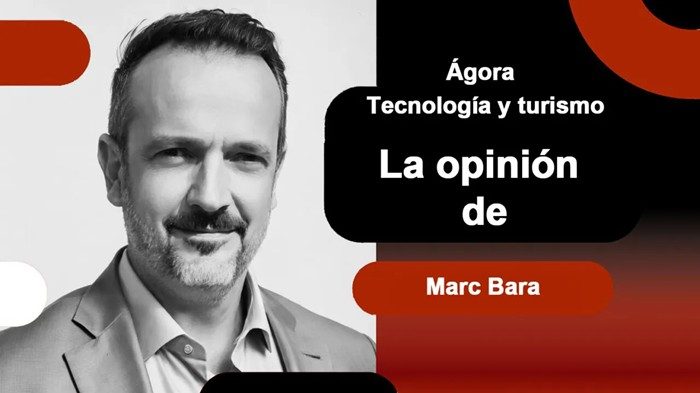
You can read this article and share it in the Agora Technology and Tourism section of our media partners at mallorcadiario.com by clicking here .
Marc Bara
Founder of ProjectWorkLab SL