
- After years of post-pandemic recovery marked by a tourism boom and sustained price increases, the Spanish hotel sector is entering a new phase. Data from 2025 shows a moderation in rate growth, raising a key question: are we witnessing a paradigm shift?
The answer seems clear. The future of hotel profitability no longer depends solely on raising prices. In this new strategic phase, operational efficiency, digitalization, and smart management are consolidating as the pillars for sustaining growth and improving margins.
A context that demands evolution
According to Exceltur’s Tourism Outlook report for the third quarter of 2025, the tourism sector is normalizing its growth and bringing it in line with the Spanish average. This is partly due to the slowdown in the growth of travel volume and overnight stays by foreigners, and especially by Spaniards, while spending remains positive.
Efficiency as a driver of profitability
Hotels that embrace smart management and automation will be better positioned to compete in an environment where profitability will increasingly depend on internal efficiency and customer experience . This shift in focus implies a profound transformation in how they operate. It’s no longer just about selling more, but about managing better .
Strategic pillars for leading change
Digitalization is becoming a competitive advantage. Implementing systems like PMS, CRM, and smart POS systems allows for process automation, error reduction, and an improved guest experience. Artificial intelligence is establishing itself as a key ally for forecasting demand and optimizing resources.
Operational sustainability is also gaining prominence. Adopting responsible practices in energy, waste, and the supply chain not only improves the hotel’s reputation but also reduces costs and fosters loyalty among increasingly conscious customers.
The strategic use of data becomes essential. Advanced analytics allows for real-time adjustments to offerings, a deeper understanding of the customer, and more accurate, data-driven decision-making .
Key areas for improving hotel efficiency:
In reception and check-in/out , automation through kiosks, mobile apps or PMS with digital check-in streamlines processes, reduces queues and errors, and improves the guest experience with self-service options.
In housekeeping and maintenance, the use of apps for real-time task assignment, along with integration with the PMS, allows for the efficient management of incidents, special requests, and amenities .
Inventory and purchasing management is optimized through automation of the purchasing cycle, real-time stock control, and waste reduction, enabling improved planning and reduced costs.
In the financial area, the integration of front and back operations, along with the automation of repetitive tasks and manual reconciliations, facilitates budget tracking and improves financial visibility.
Revenue management is transformed by dynamic pricing and the use of RMS tools that allow you to adjust prices according to demand and competition, segment customers, and personalize offers.
Marketing and loyalty strategies are strengthened with automated campaigns based on CRM data, loyalty programs, and online reputation management, helping to attract more direct bookings and increase repeat business.
Energy efficiency and sustainability are enhanced by monitoring consumption per room, using smart sensors, and obtaining certifications that help reduce costs and improve the hotel’s image.
Data analysis and business intelligence make it possible to identify bottlenecks, areas for improvement, and to make strategic decisions based on real and up-to-date information.
Finally, the application of artificial intelligence in hotel management opens up new possibilities. Embedded assistants in applications, virtual agents that automatically assign rooms or suggest upselling options during online check-in are just some examples of how AI can transform daily operations.
Conclusion: the time to act is now
The evolution of the hotel sector in Spain demands a strategic transformation . Profitability will no longer come solely from higher rates, but from smarter, more connected, and more sustainable management.
The future of the industry is already here. And it starts from within.
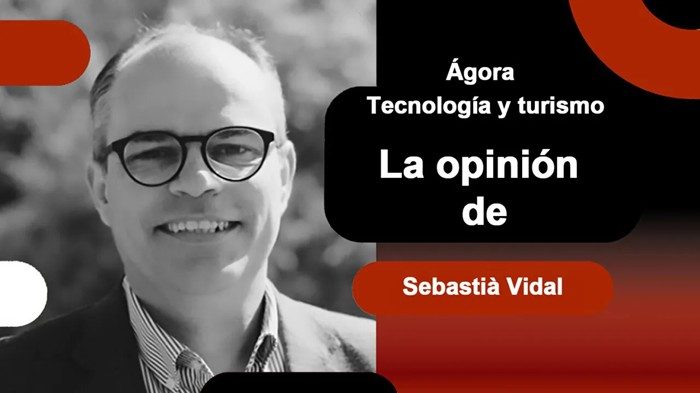
You can read this article and share it in the Agora Technology and Tourism section of our media partners at mallorcadiario.com by clicking here .
Sebastià Vidal
Director General of Tourism CEI Europe